
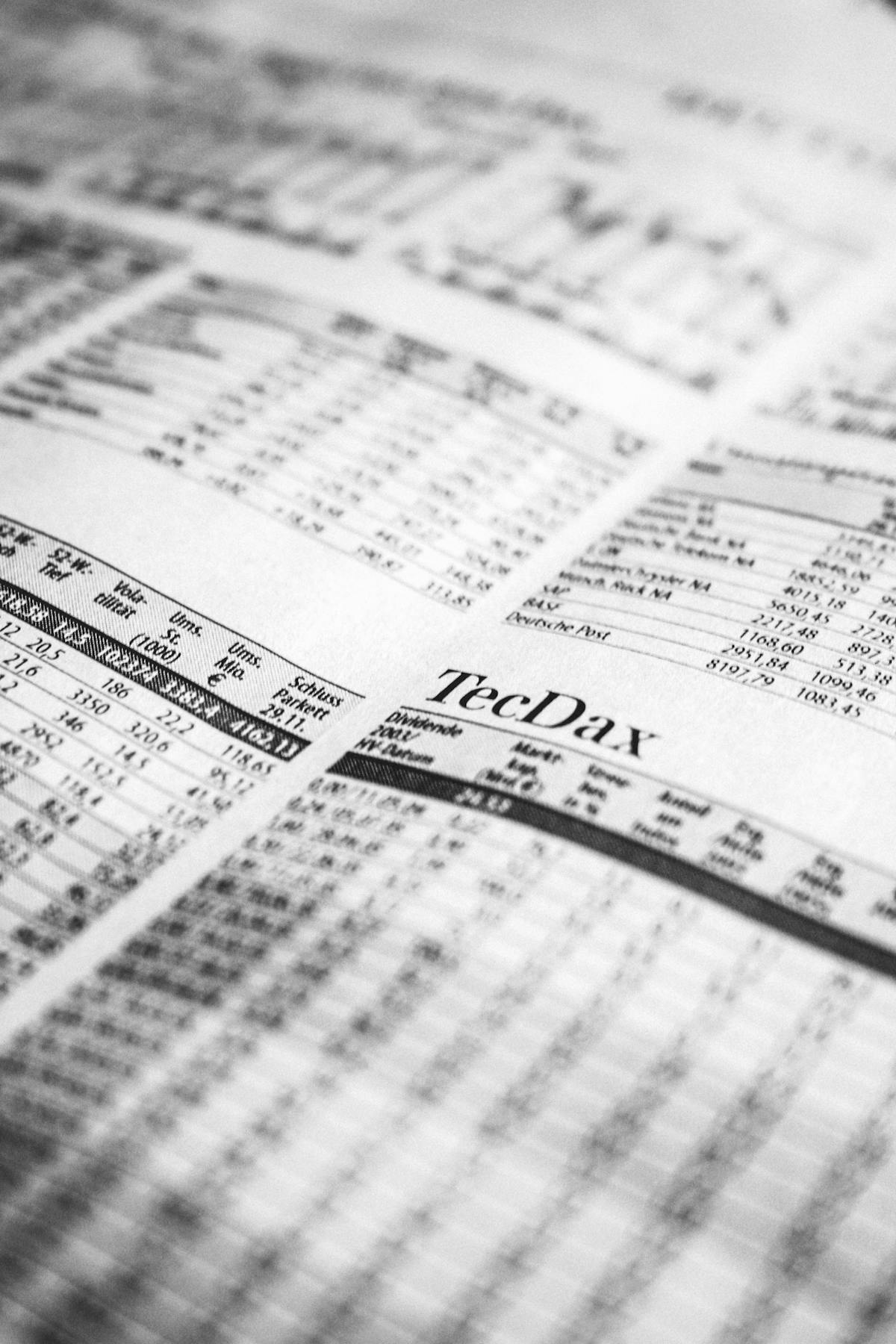
ftasiastock news by fintechasia helps US investors follow the stock market without getting lost in the noise. Every day brings earnings reports, analyst upgrades, dividend announcements, and headlines about the Dow, the S&P 500, and the Nasdaq. Each story matters a little, and none of them tells you what to do on its own. This guide explains the main kinds of stock news in plain language, shows how to read them, and gives practical habits for long-term investors. You do not need a finance degree. You only need to know which news matters, where it comes from, and how to keep your emotions out of your decisions.
What ftasiastock News by Fintechasia Covers
At its core, ftasiastock news by fintechasia covers the companies, markets, and numbers that move US stocks. That includes quarterly earnings, revenue growth, dividends, stock buybacks, initial public offerings, and analyst ratings. It also covers the broader market: interest rates, inflation, and economic reports that lift or lower whole sectors at once. For a US investor, the most useful coverage explains what changed, why it changed, and whether it matters for the long term. A single earnings miss rarely changes a good company’s future, while a change in its business model might. Good stock news helps you tell the difference instead of reacting to every headline.
Earnings Season: The Report That Moves Stocks Most
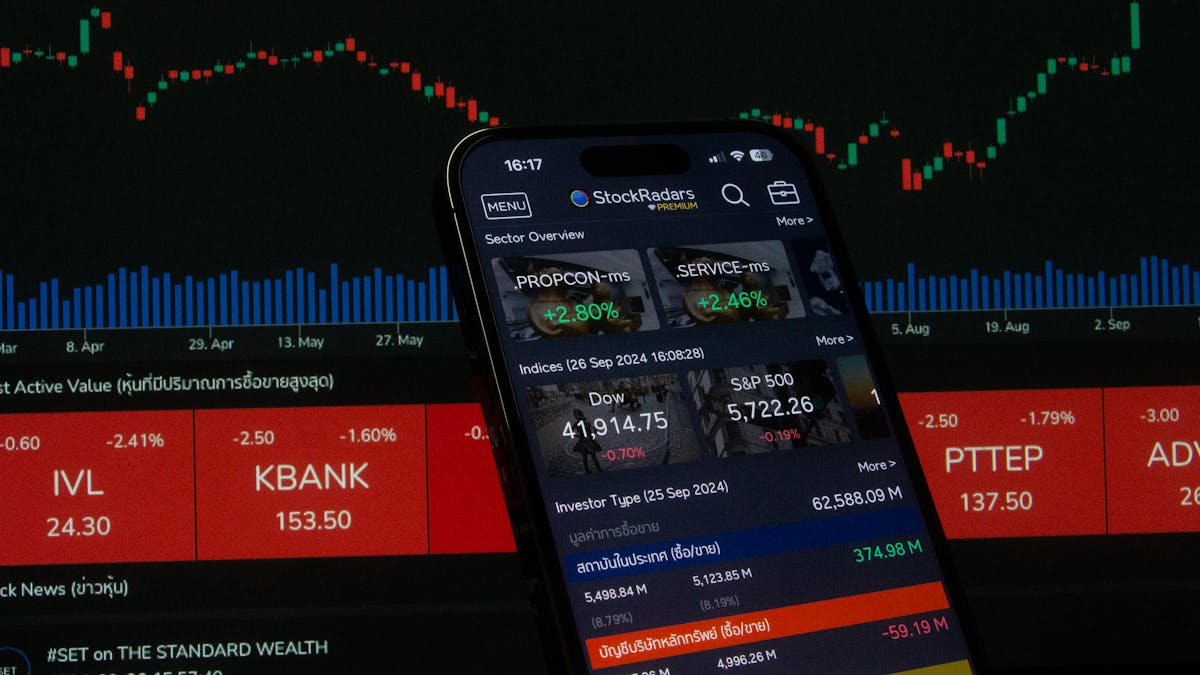
Public companies report their results every three months, and those earnings reports are the biggest single driver of stock prices. Investors watch revenue, profit, and what management says about the future. A company that beats expectations often rises, while one that misses often falls, sometimes by a lot. The key is to look past the headline. A one-time charge, a change in guidance, or a shift in a key product line can matter more than the profit number itself. The SEC EDGAR database publishes every company’s filings free, so you can read the actual report instead of relying on a summary. Start with the earnings release, then check the cash flow statement, which shows whether the business is actually generating cash.
Earnings season also creates a calendar worth knowing. Large technology companies, banks, retailers, and energy firms report in waves, and their results often set the tone for the whole market. ftasiastock news by fintechasia readers who track the calendar can prepare instead of react. If you own a stock, note its report date, read the release the same day, and decide in advance what would make you buy more, hold, or sell. Writing that decision down before the report arrives is one of the simplest ways to avoid an emotional trade after a surprising number.
Dividends, Buybacks, and What They Signal
Dividends are cash payments that companies send to shareholders, usually every quarter. A steady or growing dividend can signal a healthy, cash-generating business, while a cut often signals trouble. Buybacks are the opposite: the company uses cash to buy its own shares, which can lift the price per share. Neither is automatically good or bad. A company that pays a high dividend but takes on debt to do it may be weaker than it looks. The Investopedia guide to dividends explains the different types and how they are taxed. For US investors, the practical point is simple: know whether you own a stock for income, for growth, or for both, and judge its news against that goal.

Analyst Ratings, IPOs, and Market Indices
Analysts at banks and research firms publish ratings such as buy, hold, and sell, along with price targets. These ratings can move a stock, but they are opinions, not guarantees, and analysts sometimes disagree. Treat a rating as one input, and check the reasoning behind it. Initial public offerings, or IPOs, are another kind of stock news. A new company listing its shares can be exciting, but IPOs are often volatile, and early prices can be far from the company’s long-term value. Market indices such as the S&P 500 and the Nasdaq give context: if your stock fell 2 percent on a day the whole market fell 3 percent, it actually did relatively well. ftasiastock news by fintechasia follows these stories so you can see the market in context, not just one stock at a time.
How to Read Stock News Without Overtrading
The biggest risk in stock news is not missing a story, it is trading too often because of one. Studies of investor behavior consistently show that frequent trading hurts returns after fees and taxes. A calm approach starts with a plan: know why you own each stock, what would change your mind, and how much of your portfolio it represents. When news arrives, ask whether it changes that plan. If it does not, do nothing. If it does, act deliberately, not in the first minutes after the headline. The FINRA investor education center offers free tools for checking a broker and learning the basics of investing. Keep your trading costs low, diversify, and review your portfolio on a schedule instead of every time a headline appears. That is the approach ftasiastock news by fintechasia recommends.
Stock News and Your Retirement Accounts
For most Americans, the stock market matters most inside a 401(k) or an IRA. Those accounts hold diversified funds, and their value moves with the market, but their purpose is decades away, not days. Daily stock news should rarely change what you do in a retirement account. Instead, use it to check that your asset allocation still matches your age and goals, and to make sure you are not paying high fees. If you want a deeper view of the economy behind the market, read ftasiamanagement economy news from fintechasia and ftasiaeconomy updates by fintechasia. For trading context, see ftasiatrading technology news by fintechasia. You can also browse the Business section of thefintechasia.net and the thefintechasia.net homepage.
Stock news is useful when it helps you understand a business, not when it pushes you to trade. ftasiastock news by fintechasia is most valuable when it explains earnings, dividends, ratings, and indices in plain language and points you to the original filings. Follow the earnings calendar, read the primary sources, and let your plan decide when to act. If you do that steadily, the market’s daily noise will bother you less, and your long-term results will be better for it.
A Weekly Stock News Routine for Busy Investors
Staying informed does not mean watching the market all day. A simple weekly routine works better. On Monday, check the earnings calendar for companies you own and note any report dates. Midweek, read one earnings release or one piece of analysis that explains a move in a stock you follow. On Friday, spend ten minutes reviewing your portfolio: check your allocation, look for any dividend or corporate action, and note whether any holding has changed your plan. ftasiastock news by fintechasia readers who keep this routine spend less time on headlines and make fewer impulsive trades. The market will always be noisy, but a short, regular habit turns that noise into information you can actually use, and it leaves you free to focus on the rest of your life.
