

telekom fintechasia is where the phone in your pocket meets the money in your bank account. In the United States, most people now bank, pay, and invest from a smartphone, and none of that works without a fast, reliable mobile network. Telecom companies provide the connection, and fintech companies build the apps that ride on it. This guide explains how telecom and fintech work together, what 5G changes for mobile money, and how to use your phone for banking safely. You do not need to know how a cell tower works. You only need to know which features protect your money, which plans are worth the price, and which settings to check today.
What telekom fintechasia Means for US Mobile Users
At its simplest, telekom fintechasia describes the meeting point of telecom networks and financial technology. Your carrier provides the data connection, the phone number, and the SIM or eSIM that identifies you. Fintech apps use that connection to move money, verify your identity, and send alerts. When the network is fast and stable, payments go through in seconds and fraud checks work in the background. When it is slow or unreliable, payments fail and security checks can lock you out. For a US reader, the most useful way to think about it is simple: your mobile network is part of your financial infrastructure, just like your bank. A good connection and a good carrier plan make every fintech app you use work better.
5G and the New Speed of Mobile Money
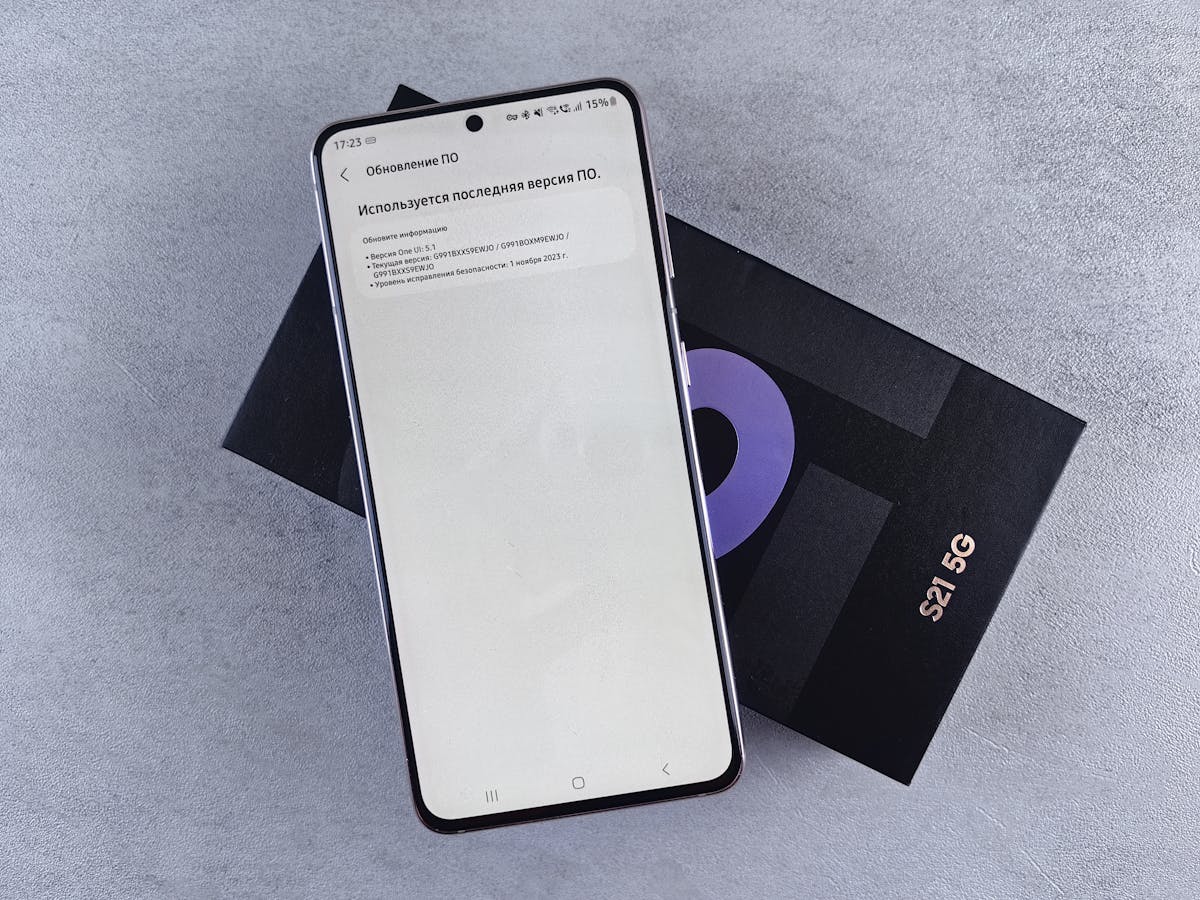
Fifth-generation mobile networks, known as 5G, offer faster speeds and lower delays than 4G, and that changes what mobile money can do. Instant payments, tap-to-pay, and real-time fraud detection all work better on a fast connection. For most people, the difference is practical: a payment that used to take seconds now feels instant, and a video call with a bank advisor no longer freezes. The Federal Communications Commission explains how 5G is being rolled out across the United States and what it means for consumers. Coverage still varies by place, so check the map for your area before you pay extra for a 5G plan. In many cities, mid-band 5G is fast enough for every banking task, while the fastest millimeter-wave 5G is only available in limited areas.
5G also enables new services that were hard on older networks. Smart watches can make payments without a phone nearby. Connected cars can pay for tolls and parking. Small businesses can take card payments anywhere with a strong signal. telekom fintechasia readers should not buy a new phone or plan just for 5G alone, but if you are already upgrading, a 5G-capable device and a plan that includes it will keep your mobile banking fast for years. The key is to match the plan to your actual use: check how much data you use, whether your plan includes mobile hotspot, and whether your carrier charges extra for premium data after a limit.
eSIM, Carrier Billing, and Paying With Your Phone Number
The SIM card is changing. An eSIM is a digital SIM built into your phone, and it lets you switch carriers or add a second line without a physical card. That matters for fintech because your phone number is often your second factor for logging in to banks and payment apps. An eSIM makes it easier to keep your number when you travel or change carriers, and it can make it harder for a thief to swap your SIM by stealing a physical card. That is why telekom fintechasia follows eSIM adoption closely. The T-Mobile support pages explain how eSIM activation works on major US carriers. Carrier billing is another telecom-fintech link: some carriers let you charge app purchases and subscriptions to your phone bill. It is convenient, but it can hide spending, so check your bill every month and set a spending limit if your carrier offers one.

How Telecom Networks Keep Mobile Banking Safe
Your carrier plays a quiet role in banking security. When you log in to a bank app, the bank may check your phone number, your device, and your network to confirm it is really you. That is why a SIM swap, where a criminal convinces a carrier to move your number to their phone, is so dangerous: it can let them reset passwords and receive your bank codes. Protect yourself with a carrier PIN or passcode, a strong password on your carrier account, and two-factor authentication that uses an authenticator app instead of text messages where possible. The Federal Trade Commission publishes advice on SIM-swap scams and how to report them. If your phone suddenly loses service, contact your carrier immediately, because it can be a sign of a swap in progress.
Choosing a Mobile Plan for Fintech and Banking
Not every mobile plan is equal for banking. Look for reliable coverage where you live and work, enough high-speed data for your apps, and a carrier that offers strong account security, such as a port-out PIN and number-transfer lock. Prepaid plans can be cheaper, but some banks and payment apps treat prepaid numbers differently for verification, so check before you switch. If you travel, look at international roaming and data costs, because a surprise bill can wipe out the savings from a cheap plan. For the basics of mobile money safety, see our earlier guide to fintechasia telekom, and for the network side, read fintechasia.net telekom.
The Future of Telecom and Fintech in the US
Telecom and fintech will keep moving closer together. Carriers are adding payment features, banks are adding mobile-first services, and new standards such as RCS messaging may let you pay and bank inside a text conversation. Satellite connectivity may soon bring mobile banking to rural areas that lack cell coverage. That is why telekom fintechasia will keep following these changes. For users, the lesson is steady: keep your phone and apps updated, use strong authentication, and choose a carrier and a bank that both take security seriously. You can explore more technology coverage in the Technology section of thefintechasia.net and the thefintechasia.net homepage.
Your phone is now your bank, your wallet, and your payment card, and the network behind it matters more than most people realize. telekom fintechasia is about making that connection fast, affordable, and safe. Check your coverage, secure your carrier account, keep your apps updated, and choose a plan that fits how you actually bank. If you do those things, the combination of telecom and fintech will work quietly in your favor, and your money will be there when you need it, wherever you are.
A Quick Security Checklist for Mobile Banking
Before you open your banking app again, run through this checklist. Set a carrier PIN and a number-transfer lock, turn on two-factor authentication with an authenticator app, and make sure your phone locks automatically after a minute. Keep your operating system and banking apps updated, and only install apps from your phone’s official store. Review the permissions your banking apps request, and remove any you do not recognize. telekom fintechasia readers who complete this checklist in ten minutes make their accounts far harder to attack. A secure phone and a secure carrier account are the foundation of safe mobile banking, and they cost nothing but a little attention.

1 Comment
Pingback: travel fintechasia: 7 Best Tips