
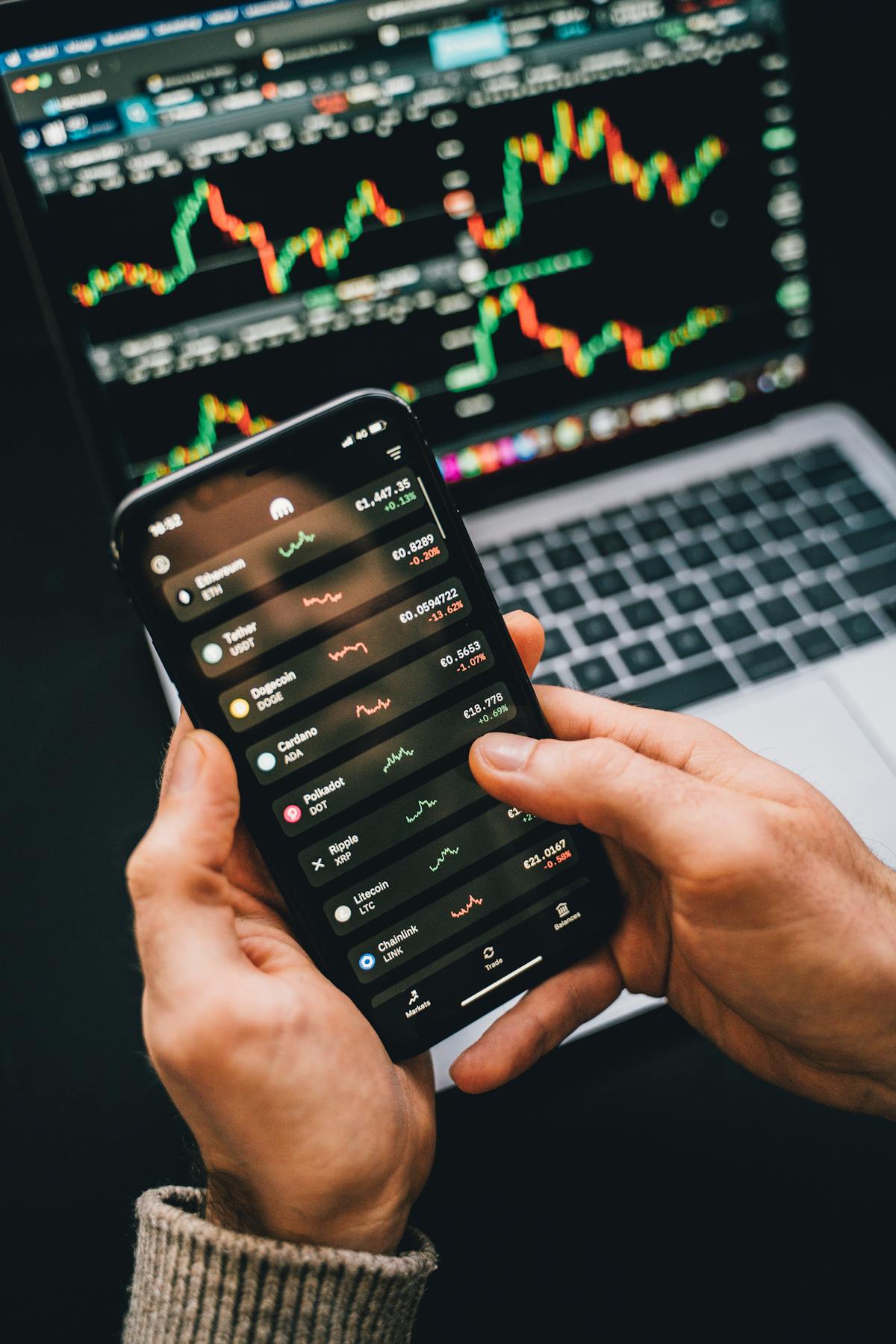
crypto facto fintechasia net is a phrase US readers use when they want to research cryptocurrency with real information, not just social media buzz. The crypto market never sleeps, and neither do the headlines. Prices move overnight, new tokens appear every week, and a single post can send thousands of people to the same exchange at the same time. In that fast environment, a good research habit is more valuable than a hot tip, because it helps you understand what you own and why it might move.
This guide from thefintechasia.net explains crypto facto fintechasia net as a research topic for American readers. You will learn how to track a coin, how to read crypto news without being misled, how exchanges and wallets work in the US, and what to check before you trade. It is in our Cryptocurrency section, and it builds on our earlier fintechasia .net crypto facto guide about checking crypto facts.
What crypto facto fintechasia net Means for US Research
At its simplest, crypto facto fintechasia net means crypto facts from a fintech source. Readers who search it are looking for data they can use: a coin’s price history, its trading volume, its market size, and the news that may have moved it. They may also want to know whether a project is still active, whether its developers are still working on it, and whether real people use it for payments, saving, or business. Those questions are more useful than asking only whether a price will go up tomorrow, because no one can answer that question with certainty.
Investopedia explains cryptocurrency as a digital asset that uses cryptography for security, and that explanation is a good starting point. From there, US research should add three layers: the market layer, the technology layer, and the rules layer. The market layer covers price, volume, and liquidity. The technology layer covers the blockchain, the wallet, and the code. The rules layer covers American tax, consumer protection, and exchange rules. A coin that looks strong on one layer can still be weak on another.
For example, a token may have a high price but very low trading volume, which means it can be hard to sell without moving the price. Another token may have a large community online but very little real use, which means its price depends mainly on attention. A third token may be useful technology, but it may be hard for an American to buy legally on a regulated exchange. Good research looks at all three layers together, and it writes down the answer in plain language.
How US Readers Can Track Crypto Markets
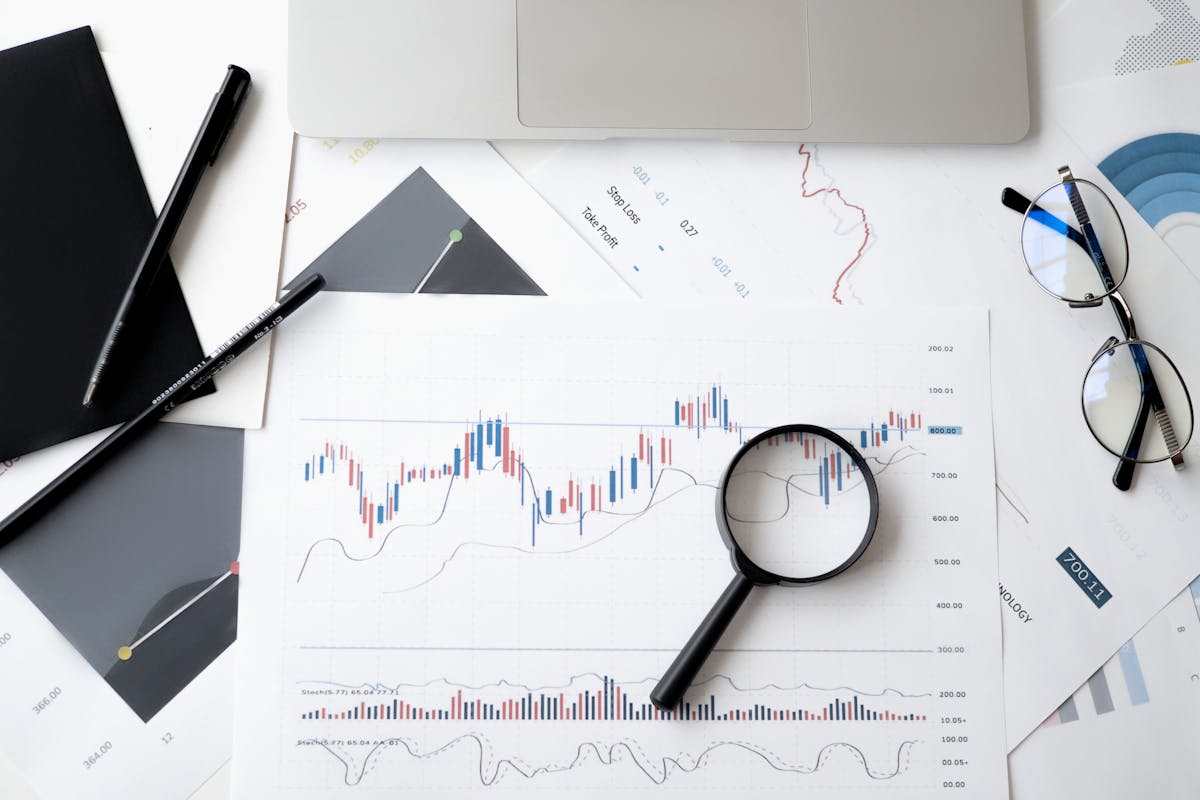
Tracking crypto in the US starts with a reliable price source. Use a major data site or a regulated exchange to check the current price, the 24-hour change, and the trading volume. Compare the price across two sources, because a small difference is normal, but a large difference can signal a problem with one source. Look at a chart over weeks and months, not only over hours, so you can see whether a move is part of a longer trend or just a short spike after a news story.
News also matters, but it needs the same care as price data. A headline may say a coin is rising, while the full story shows it rose after falling much further the week before. A story about a new partnership may not say whether the partnership is real, paid, or only a pilot project. The SEC investor alerts page is a useful place to check whether a crypto offer has drawn official attention, and the Consumer Financial Protection Bureau publishes plain-language help for Americans who have a problem with a financial product.
Keep a simple research note for any coin you follow. Write its name, its main purpose, its supply, its biggest holders, its main exchange, and its biggest risk. Update the note when something important changes, and date each update. That note will help you avoid a common mistake: buying a coin because you remember a good story about it, when the facts have changed since you first heard that story.

Exchanges, Wallets, and US Rules
Choosing an exchange and a wallet is a practical part of crypto facto fintechasia net research. In the US, a regulated exchange will usually ask for your identity, explain its fees, and offer customer support. An unregulated platform may offer more coins, but it may also offer less protection if something goes wrong. Compare fees for buying, selling, and withdrawing, and read the terms for account limits and for what happens if you forget a password or lose a device.
A wallet is where your crypto keys live. A custodial wallet is held by an exchange, which is convenient but means you trust that company. A self-custody wallet gives you control, but it also gives you responsibility for a recovery phrase. Many US users start with a custodial wallet and learn self-custody later, with a small amount first. Whichever you choose, turn on two-factor authentication, keep software updated, and never enter a recovery phrase on a website that asks for it in a message.
Using crypto facto fintechasia net to Avoid Common Mistakes
Good research helps you avoid mistakes that are common in the US crypto market. One mistake is buying only because a price is rising fast, without checking volume or news. Another is putting all of your money into one coin, instead of keeping a diversified plan that fits your age, income, and goals. A third is ignoring taxes, because the Internal Revenue Service treats crypto as property in many cases, and a trade can create a tax event even if you did not withdraw dollars.

The Future of Crypto Research in the US
Crypto research in the US is likely to become easier, with clearer rules, better data tools, and more education from regulators and exchanges. At the same time, new coins and new scams will keep appearing, so the habit of checking facts will stay important. Read our Cryptocurrency section for new guides, compare sources before you trade, and talk to a qualified financial adviser if you need advice about your own situation. A short conversation can save a costly error.
In short, crypto facto fintechasia net is about using facts to make calmer, better choices. Track price and volume, read the full news story, check the exchange and wallet, and keep a research note that you update. With those habits, you can follow crypto from thefintechasia.net with more confidence, and you can focus on learning, not on chasing the next headline in the United States.
Another useful habit is to compare what you read in the United States with what is happening in other countries, because crypto is global and a rule change in one place can affect prices everywhere. At the same time, remember that a coin that is popular in another market may not be easy to buy, sell, or use in the US, and it may carry extra tax or legal questions. Check the American exchange, the American regulator, and the American tax rule first, then use global news as context, not as a reason to rush into a trade you do not fully understand.

1 Comment
Pingback: fintechasia net crypto facto: 7 Best Tips